
Puberty and Physical Development
Understanding puberty helps girls navigate body changes, hormone shifts, and growth spurts. The guide explains menstruation, skin care, and healthy habits, empowering confidence during this transformative phase. It also covers nutrition, exercise, and self‑care tips for balanced growth.Stay on

Hormonal Changes and Menstruation
Puberty triggers a cascade of hormonal shifts that reshape the body and mind. Estrogen and progesterone rise, signaling the onset of menstruation, the first monthly cycle that marks reproductive maturity. A typical cycle lasts 28 days, but variations are normal. The menstrual flow begins with a light spotting phase, progressing to a heavier flow over 3–5 days, then tapering off. Hormonal fluctuations can cause mood swings, breast tenderness, and bloating. Understanding these patterns helps girls anticipate changes and reduce anxiety. Tracking the cycle with a calendar or app provides insight into ovulation timing, which is useful for family planning and health awareness. Proper hygiene—using pads or tampons, changing them every 4–6 hours, and washing hands before and after—prevents infections. It’s also vital to maintain a balanced diet rich in iron, calcium, and vitamins to support blood production and bone health. Regular exercise and adequate sleep further stabilize hormones and improve overall well-being. Open communication with trusted adults, healthcare providers, or school counselors can address questions and dispel myths, fostering confidence during this pivotal period. Additionally, girls should be aware that hormonal changes can affect sleep patterns, leading to increased fatigue or insomnia. Relaxation techniques such as stretching can ease tension. If severe cramps or irregular bleeding occur, consulting a healthcare professional is advised to rule out conditions like polycystic ovary syndrome or thyroid issues. Moreover, girls should be informed about the menstrual cycle’s impact on academics, as shifts can affect concentration and energy. Teachers can accommodate by offering deadlines or breaks during days. Encouraging hydration, meals, and activity can mitigate fatigue. A supportive environment empowers girls to embrace confidence and resilience.
Body Changes and Growth Spurts
During puberty, girls experience rapid growth spurts that can last 12–18 months. Height increases by 2–4 inches per year, while weight gains reflect changes in body composition. The growth spurt often peaks around age 12–13, coinciding with the first menstrual period. Breasts develop in stages, beginning with small buds (Tanner stage 2) and progressing to full, rounded breasts (stage 4). Pubic and underarm hair appear, gradually thickening and darkening. Skin may become oilier, leading to acne; regular cleansing and gentle exfoliation help maintain clarity. Muscular tone improves, and girls may notice increased coordination and endurance. Growth spurts can cause temporary discomfort—leg cramps, backaches, or joint pain—due to rapid bone elongation. Adequate calcium, vitamin D, and protein intake support bone density. Proper footwear and posture training reduce strain. Emotional responses to body changes vary; some girls feel excitement, others anxiety. Encouraging self‑acceptance and realistic body image is crucial. Body changes also affect sleep patterns; increased melatonin production may shift circadian rhythms, leading to later bedtimes. A consistent sleep schedule and limiting screen time before bed promote restorative rest. Finally, understanding that growth spurts are a natural, temporary phase helps girls maintain confidence and focus on healthy habits—balanced nutrition, hydration, and regular physical activity—while navigating this transformative period. By embracing these natural changes, girls can build resilience, celebrate growth, and set the foundation for a confident, healthy future. Stay strong. Keep.
Skincare and Hygiene
Proper skin care during puberty prevents breakouts and promotes confidence. Begin with a gentle cleanser twice daily, using lukewarm water to avoid stripping natural oils. Follow with a light, oil‑free moisturizer to keep the skin hydrated without clogging pores. Exfoliation once a week with a mild chemical peel (BHA) helps remove dead cells and clear clogged pores, but avoid harsh scrubs that can irritate sensitive skin.

Hygiene habits extend beyond the face. Shower daily, especially after sweating or sports, to reduce bacterial buildup. Use a mild body wash and a soft washcloth to cleanse sweat glands. Pay attention to underarm and groin areas: after menstruation, change sanitary products every 4–6 hours and wash the area gently with water or a mild soap. Dry thoroughly to prevent fungal infections.
Choosing the right products matters. Look for fragrance‑free, non‑comedogenic labels. For acne‑prone skin, consider products containing salicylic acid or benzoyl peroxide, but start with lower concentrations to gauge tolerance. If skin becomes irritated, switch to a soothing aloe or chamomile formulation. Remember, consistency beats intensity; a simple routine performed daily yields better results than sporadic heavy treatments;
Finally, protect skin from the sun. Apply a broad‑spectrum SPF 30 sunscreen every morning, reapplying after swimming or sweating. Sunscreen protects against premature aging and reduces the risk of skin cancer later in life. By establishing these habits early, girls can maintain clear, healthy skin throughout adolescence and beyond.
Beyond physical care, self‑time matters. Set aside 10–15 minutes each day to practice mindful breathing or gentle stretching, which reduces stress that can worsen skin. Keep a skin diary: note what foods, products, or activities correlate with flare‑ups. This awareness helps tailor future routines. Encourage open dialogue with trusted adults about skin concerns; they can recommend dermatologist visits if needed. Remember, healthy skin reflects overall well‑being, so balance diet, sleep, and emotional health with daily care.
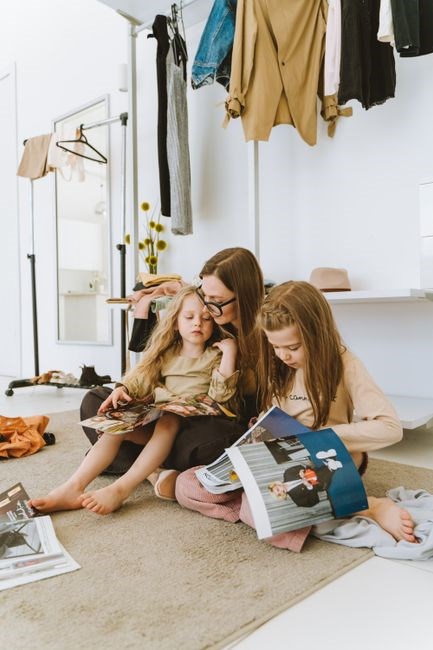
When selecting menstrual hygiene products, consider eco‑friendly options such as reusable cloth pads or menstrual cups. These reduce waste and can be gentler on sensitive skin. Always wash reusable products with hot water and mild detergent, and dry them in sunlight to kill bacteria. If using disposable products, choose those with breathable fabrics and avoid fragrances that may cause irritation. Additionally, practice proper hand hygiene: wash hands before and after changing pads or tampons, and use hand sanitizer if soap and water are unavailable.
Consistency and gentle care create lasting confidence!

Emotional and Mental Well‑Being
Balancing hormones, teens learn to recognize emotions, practice now and build resilience. Journaling, breathing, and supportive friends help manage mood swings, while healthy sleep and nutrition boost mental clarity. Empowering choices nurture confidence.
Managing Stress and Anxiety
Stress and anxiety are common during puberty, but they can be managed with simple, practical strategies. The Girls Guide to Growing Up emphasizes breathing exercises, such as the 4‑2‑4 technique, to calm the nervous system when school pressures or social situations arise. Journaling helps track emotions, turning fleeting feelings into tangible insights. Mindfulness practices—like guided imagery or body‑scan meditation—are recommended to ground teens in the present moment. Physical activity, even a short walk, releases endorphins that counteract cortisol spikes. A balanced diet rich in omega‑3 fatty acids, whole grains, and fresh fruits supports brain health and mood regulation. Sleep hygiene is crucial; the guide suggests a consistent bedtime routine and limiting screen time before bed. When anxiety feels overwhelming, talking to a trusted adult or counselor can provide relief. Peer support groups, as highlighted in The Complete Girls Guide to Growing Up, offer safe spaces to share experiences and coping techniques. Finally, setting realistic goals and celebrating small victories builds confidence, turning stress into motivation for growth. Remember, every challenge is a chance to learn; celebrating progress, girls can transform uncertainty into empowerment, fostering resilience that lasts beyond adolescence. Friends help normalize feelings, creating a safe space for healthy coping and open dialogue!!!??
Building Self‑Esteem and Confidence
The Girls Guide to Growing Up highlights that self‑esteem grows from daily practices, not overnight changes. Start with affirmations that celebrate strengths—list three positive traits each day and share them with a friend or journal. The guide suggests setting small, achievable goals; each success reinforces a sense of competence. Role‑playing scenarios, such as handling peer pressure or speaking up in class, builds communication skills and confidence. Encouraging creative outlets—drawing, music, or coding—lets girls express identity beyond appearance. The book stresses the importance of body positivity, teaching that growth spurts and hormonal shifts are natural, not flaws. Peer support groups, featured in The Complete Girls Guide, provide safe spaces to discuss insecurities and practice empathy. Parents and teachers are encouraged to give specific, constructive feedback, focusing on effort rather than outcome. Mindfulness exercises, like noticing five things you’re grateful for, shift focus from self‑critique to appreciation. When setbacks occur, the guide advises reframing mistakes as learning moments, turning frustration into curiosity. Consistent sleep, balanced nutrition, and regular movement support brain chemistry that fuels confidence. By integrating these habits, girls develop a resilient self‑image that thrives amid change, turning everyday challenges into stepping stones toward lasting self‑belief. Practice kindness daily and patience now.


Peer pressure can feel overwhelming, especially during the tween years when friendships shape identity. The Girls Guide to Growing Up gives practical tools: identify core values, pause before reacting, and practice assertive listening. Journaling after social moments helps reflect on feelings and refine future choices. A buddy system at school events offers support when decisions feel tough. It’s okay to say “I’m not sure” or “Let me think,” giving space to evaluate. Confidence grows with daily reflection and staying true to your values!?
Remember that confidence grows with practice. When you face a new situation, pause, breathe, and choose a response that aligns with your values. Celebrate small wins, like standing up for yourself or saying no to something uncomfortable. These moments build resilience and help you trust your own judgment.
When a peer invites you to join a trend you’re unsure about, use the “pause‑and‑plan” method: take a deep breath, consider how the trend aligns with your values, and decide whether to participate or politely decline. If you choose to decline, offer an alternative activity that still includes you. This shows you respect the group while protecting your boundaries. Practice saying “I’m not comfortable with that” in a calm tone; most friends will respect your honesty. If a friend feels pressured, encourage them to use the same strategies and remind them that their worth isn’t tied to the trend. theseconversations reinforce culturemutual respect and self‑care.
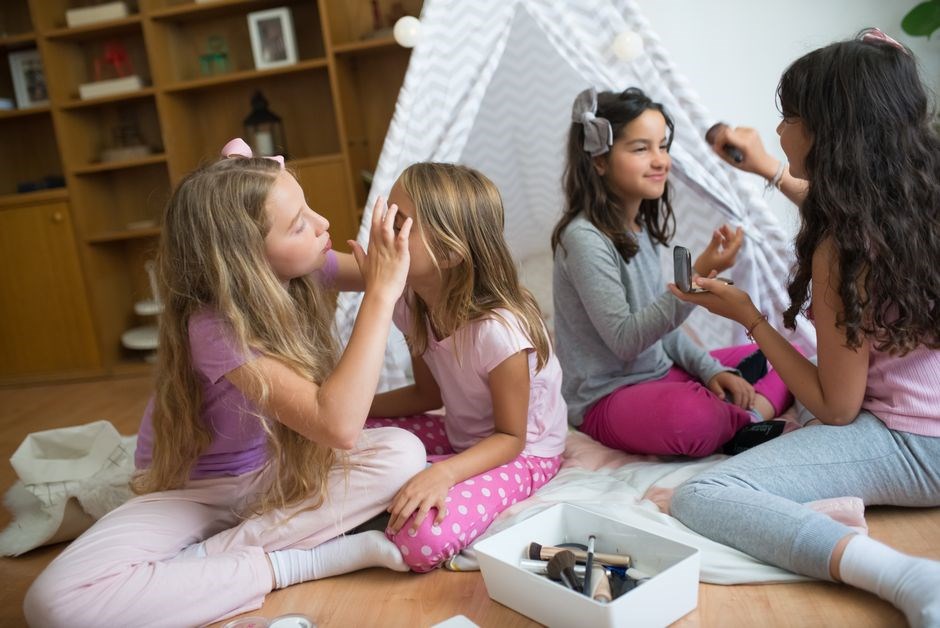
Social and Digital Life
Balancing friendships and online presence is key. The guide highlights respectful communication, safe sharing, and setting screen limits. It teaches evaluating content, recognizing cyberbullying, and using privacy settings to protect identity. Stay safe online. Safe
Healthy Friendships and Communication
Building strong friendships during adolescence is essential for emotional support and self‑confidence. The Girls Guide encourages open dialogue, active listening, and empathy; It outlines strategies for choosing friends who respect boundaries, share values, and promote positive growth. Key points include:
- Respectful listening: focus on the speaker, avoid interrupting, and validate feelings.
- Clear boundaries: communicate personal limits and honor others’ limits.
- Conflict resolution: use “I” statements, stay calm, and seek compromise.
- Positive reinforcement: celebrate friends’ successes and offer encouragement.
- Inclusive activities: invite diverse peers to broaden perspectives.
By practicing these skills, girls can nurture supportive networks that enhance resilience and foster a sense of belonging.
Encouraging honest conversations helps girls recognize shared interests and differences, building mutual respect. When disagreements arise, practicing empathy and asking clarifying questions can prevent misunderstandings. Setting shared goals, such as studying together or volunteering, strengthens bonds and creates lasting memories. and cherish moments! 🙂
Listening to peers’ perspectives and offering constructive feedback builds trust. When a friend shares a challenge, responding with empathy and practical suggestions strengthens the friendship and models healthy problem‑solving skills.
Social Media Literacy and Online Safety
Empowering girls to navigate digital spaces responsibly begins with media literacy. The guide teaches critical evaluation of content, recognizing bias, and understanding algorithms that shape feeds. It emphasizes verifying sources, questioning sensational headlines, and distinguishing fact from opinion.
Online safety practices are highlighted: setting strong, unique passwords, enabling two‑factor authentication, and using privacy settings to control who sees posts. The text advises against sharing personal details such as home address, school name, or travel plans. It also covers safe interaction with strangers, reporting harassment, and blocking abusive accounts.
- Critical Thinking: Question motives behind posts and ads.
- Privacy Controls: Regularly review app permissions and friend lists.
- Digital Footprint: Remember that posted content can remain online indefinitely.
- Reporting Tools: Use platform features to flag inappropriate content.
- Support Networks: Encourage open dialogue with trusted adults about online experiences.
Girls should also learn to recognize echo chambers, diversify their information sources, practice mindful scrolling to maintain mental clarity avoid comparison traps. auth online communities Together with care
By combining media literacy with robust safety habits, girls can enjoy social media while protecting their well‑being and digital reputation.
Setting Personal Boundaries
Establishing clear personal boundaries is essential for healthy relationships and self‑respect. The guide explains how to identify emotional limits, communicate needs confidently, and maintain autonomy in friendships, family, and online interactions. It offers practical steps: start with self‑awareness, recognize signs of discomfort, and practice saying “no” politely yet firmly. The text also highlights the importance of respecting others’ boundaries, fostering mutual trust. Additionally, it discusses digital boundaries: setting time limits on screens, curating social media feeds, and protecting privacy. By learning boundary‑setting skills early, girls build resilience, reduce stress, and cultivate confidence in decision‑making.
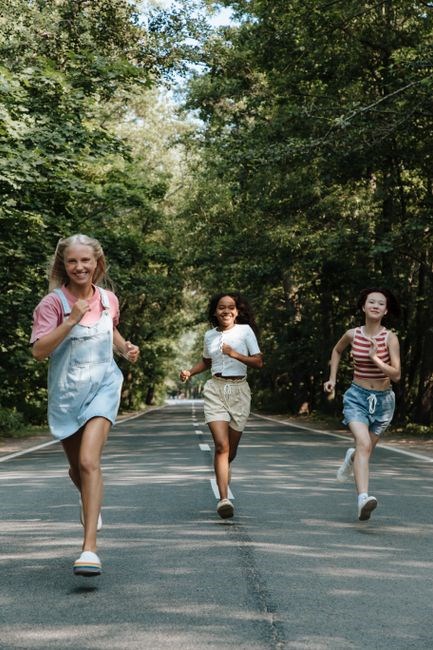
Boundaries also apply to physical space: learning to say “I need my own room” or “I’m not comfortable with touch” helps maintain personal safety. The guide encourages practicing these conversations with trusted adults, role‑playing scenarios, and reflecting on feelings afterward. It stresses that boundaries are dynamic; they evolve with experience and self‑growth.
- Self‑check: Ask yourself if you feel pressured or uncomfortable.
- Assertive language: Use “I feel” statements instead of blame.
- Consistency: Enforce boundaries across all settings.
- Reevaluation: Adjust boundaries as you mature.
When girls consistently set and honor boundaries, they experience healthier friendships, stronger self‑esteem, and a clearer sense of identity. The guide reminds them that boundaries are not barriers but tools for respectful, balanced living Boundaries boost confidence and focus now

Future Planning and Personal Growth
Future planning empowers girls to set academic goals, explore interests, and build resilience. The guide offers strategies for choosing courses, joining clubs, and setting realistic career milestones, encouraging lifelong learning and confidence. It also encourages adaptability, boosting confidence.!
Understanding puberty helps girls navigate body changes, hormone shifts, and growth spurts. The guide explains menstruation, skin care, and healthy habits, empowering confidence during this transformative phase. It also covers nutrition, exercise, and self‑care tips for balanced growth.
Career Exploration and Goal Setting
Career exploration begins early, offering girls a roadmap to future possibilities. The guide encourages curiosity by presenting diverse professions—from STEM and arts to entrepreneurship and community service—highlighting real‑world examples and role models. It stresses the importance of self‑assessment: identifying strengths, interests, and values helps narrow choices. By setting SMART goals—specific, measurable, achievable, and relevant, and time‑bound—girls learn to break long‑term ambitions into actionable steps. The book provides worksheets for mapping skills, researching educational pathways, and creating a personal timeline. It also covers networking basics, such as informational interviews and mentorship, and teaches how to build a professional portfolio, including school projects, volunteer work, and online presence. Finally, the guide reminds readers that career paths are fluid; flexibility, continuous learning, and resilience are key to adapting to changing interests and opportunities. Students are encouraged to explore internships, volunteer projects, and part‑time jobs to gain hands‑on experience and build a portfolio that showcases their skills. By setting milestones and celebrating small victories, girls develop a growth mindset that fuels perseverance and a lifelong passion for learning. Ultimately, the guide stresses that career exploration is a journey, not a destination, encouraging the to stay proactive!!.
Resilience and Lifelong Learning
Building resilience is a cornerstone of the Girls Guide to Growing Up, emphasizing that setbacks are opportunities for growth. The guide introduces the concept of a growth mindset, encouraging girls to view challenges as learning experiences rather than failures. It outlines practical strategies such as setting realistic goals, maintaining a gratitude journal, and practicing mindfulness to manage stress. The text also highlights the importance of seeking support—whether from family, teachers, or mentors—and learning from constructive feedback. By fostering curiosity, the guide promotes lifelong learning through reading, exploring new hobbies and engaging in community projects. It encourages girls to pursue continuous skill development, whether in academics, arts, or technology, and to embrace flexibility as careers evolve. The section offers tools for reflection, such as self‑assessment quizzes and action plans to help girls track progress and adjust goals. Finally, it underscores that resilience is cultivated through consistent practice, self‑compassion, and a willingness to step outside comfort zones, empowering girls to navigate future challenges with confidence and adaptability. Moreover, the guide encourages girls to document their learning journeys through journals or blogs, turning reflections into tangible evidence of growth that can be shared with mentors or future educators. This habit reinforces memory and builds a portfolio resilience!!.